
Helping a loved one transition into an assisted living environment is a major life decision for families. While these environments are designed to provide comfort, safety, and professional care, managing the process can feel overwhelming for family members who want to ensure their loved one receives the best possible support. From coordinating healthcare to maintaining communication with caregivers, families often find themselves balancing emotional concerns with practical responsibilities.
Effectively managing care requires a comprehensive understanding that extends beyond merely selecting a care facility. It involves a more dynamic engagement with your loved one’s overall wellbeing by delving into their specific healthcare needs, and managing a consistently clear and open line of communication with medical personnel and care staff. When families remain systematically organized and adopt a proactive stance, they place themselves in a better position to support their loved ones significantly. This approach minimizes the burdens often linked with making long-term care decisions. By staying informed and involved, families contribute positively to the experiences of their loved ones, ensuring that they live in an environment conducive to their health and happiness.
With a strategic approach, families become instrumental players in assisting their loved ones to retain essential elements of life such as dignity, independence, and comfort. Gaining a deep understanding of navigating complex healthcare systems, accessing therapeutic services, and utilizing daily support resources can profoundly impact the quality of care received by residents. This comprehensive involvement allows families to become confident advocates for their loved ones, ensuring that the care provided not only meets but exceeds basic health needs. The ensuing sections will delve into this topic further, providing practical guidance and actionable strategies for families dedicated to managing their loved one’s care with effectiveness and empathy. These insights aim to equip you with the knowledge necessary to provide compassionate and comprehensive support throughout the journey of long-term care.
Evaluate the Living Environment and Level of Daily Support
Before a loved one moves into a supportive residence, families should carefully evaluate their specific needs. Every individual requires a different level of assistance, depending on factors such as mobility, medical conditions, and cognitive health. Understanding these needs helps families select environments that provide appropriate care while still encouraging independence.
Facilities designed for elderly care typically offer structured daily routines, safety features, and social opportunities that support residents’ wellbeing. Many families explore several elder care communities before deciding which option best meets their loved one’s needs. Touring facilities, speaking with staff, and observing daily activities can help families gain a clearer understanding of the environment.
When evaluating potential living arrangements, it is helpful to consider several factors:
- The level of assistance available for daily tasks
- Access to healthcare and therapy services
- Opportunities for social interaction and recreational activities
- Safety features such as handrails, emergency response systems, and accessible living spaces
Families should also consider how their loved one feels about the transition. Emotional adjustment plays a significant role in long-term comfort. Encouraging open discussions and involving your loved one in the decision-making process can help ease the transition and promote a sense of independence.
Choosing the right environment lays the foundation for successful long-term care management and helps ensure that residents feel supported, safe, and valued.
Coordinate Routine Medical Care and Preventive Health Visits
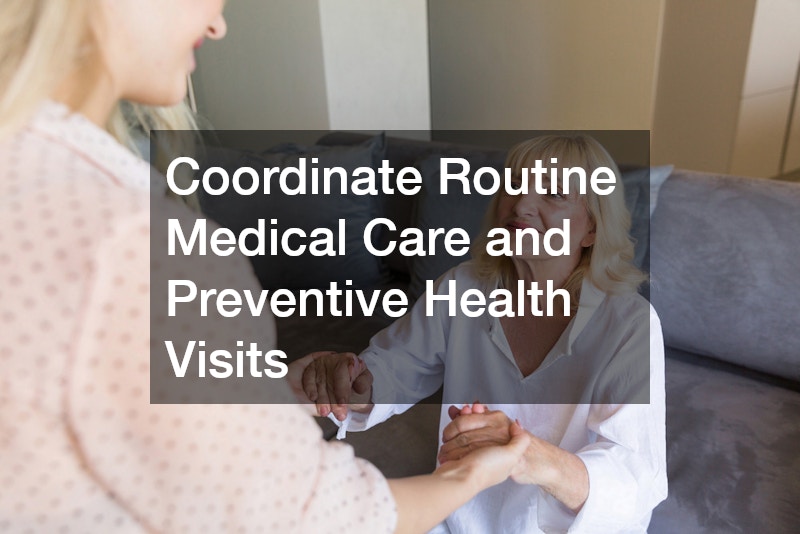
Once your loved one settles into their new environment, managing routine healthcare becomes one of the most important responsibilities for family members. Even though care facilities provide daily assistance, families should remain actively involved in coordinating medical appointments and monitoring overall health.
Regular visits with a doctor are essential for managing chronic conditions, reviewing medications, and addressing any changes in health. Maintaining consistent communication with a doctor allows families to stay informed about treatment plans and ensure that care staff follow medical recommendations.
Vision care is another important part of maintaining independence and safety. Older adults often experience changes in eyesight that can affect balance, reading ability, and mobility. Scheduling appointments with an optometrist ensures that these changes are addressed promptly and that corrective measures such as glasses or treatments are provided when needed.
Families can help manage routine healthcare by:
- Maintaining a calendar of upcoming appointments
- Keeping a list of current medications and dosages
- Communicating regularly with caregivers about health changes
- Encouraging consistent attendance at medical visits
These efforts allow families to stay informed and ensure that healthcare providers receive accurate information about the resident’s condition. By remaining actively involved, families can help identify health concerns early and maintain a higher standard of care.
Monitor Specialized Medical Needs and Sensory Health
As people age, they may experience conditions that require care from specialized healthcare providers. These specialists address issues that general practitioners may not treat routinely, and their services can play an important role in maintaining comfort and quality of life.
For example, some seniors develop hearing problems, sinus conditions, or throat issues that require treatment from an ear nose and throat specialist. These concerns may affect communication, sleep quality, and overall wellbeing. Regular evaluations by specialists can help identify these issues early and prevent them from worsening.
Vision health also requires close monitoring. Regular eye examination appointments help detect age-related conditions such as glaucoma, cataracts, and macular degeneration. Detecting these conditions early allows healthcare professionals to recommend treatments that may slow their progression and preserve vision.
Families can support specialized care by staying organized and proactive. Helpful strategies include:
- Scheduling regular eye examination appointments each year
- Monitoring hearing or sinus changes that may require attention from an ear nose and throat specialist
- Maintaining communication between specialists and primary healthcare providers
- Tracking any changes in symptoms or behavior
Maintaining sensory health plays an important role in preserving independence. When hearing and vision issues are managed effectively, seniors are better able to participate in social activities and maintain confidence in their daily routines.
Understand Insurance Coverage and Financial Responsibilities

Managing the financial aspects of long-term care is an important responsibility for families. Healthcare expenses can become complex when multiple providers, treatments, and services are involved. Understanding insurance coverage helps families plan ahead and avoid unexpected costs.
Many residents rely on support from health insurance providers to cover routine medical care, medications, and some therapeutic services. However, not all aspects of long-term care are covered by insurance policies. Reviewing coverage details carefully helps families understand which services are included and which expenses may require additional planning.
Families should also familiarize themselves with how billing works within elder care communities. Some facilities coordinate directly with insurance providers, while others require residents to submit claims independently.
Important steps families can take include:
- Contacting health insurance providers to clarify covered services
- Reviewing billing procedures used by elder care communities
- Keeping organized records of medical expenses and claims
- Asking facility administrators about available financial resources
Understanding these financial details allows families to make informed decisions about treatment options and ensures that necessary services remain accessible.
Encourage Mobility and Participation in Recovery Programs
Maintaining physical strength and mobility is essential for seniors who want to remain independent and active. Many care facilities offer programs designed to help residents maintain or regain mobility following illness, injury, or surgery.
Structured physical rehabilitation services provide targeted exercises and therapies that improve balance, coordination, and flexibility. These programs can help seniors recover from medical procedures, manage chronic pain, and reduce the risk of falls.
Families should encourage their loved ones to participate in rehabilitation activities whenever possible. Even small improvements in mobility can significantly improve daily comfort and independence.
Rehabilitation programs often include:
- Strength training exercises designed for older adults
- Balance and coordination training
- Stretching routines that improve flexibility
- Supervised physical activity sessions
These programs not only support physical recovery but also help residents maintain confidence in their abilities.
Work With Rehabilitation Specialists to Track Progress
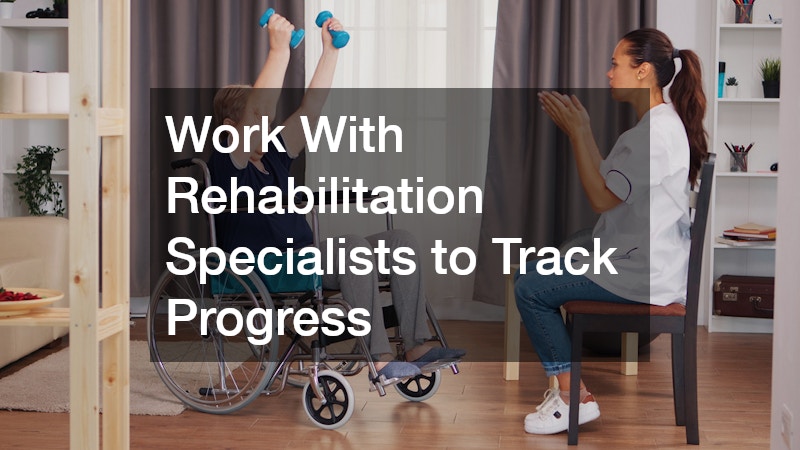
Rehabilitation programs are typically guided by trained healthcare professionals who specialize in improving mobility and physical function. A physical therapist evaluates each resident’s abilities and designs a customized treatment plan tailored to their needs.
A physical therapist may focus on strengthening muscles, improving joint mobility, and developing exercises that help residents perform everyday tasks more easily. These therapy sessions are particularly valuable for individuals recovering from surgery, injury, or extended illness.
Families can support rehabilitation progress by remaining engaged in the therapy process. Attending occasional sessions or speaking with therapists about progress can provide valuable insight into the resident’s recovery.
Ways families can support therapy efforts include:
- Communicating regularly with the physical therapist about treatment goals
- Encouraging consistent participation in therapy sessions
- Monitoring improvements in balance and mobility
- Celebrating milestones in recovery
Regular collaboration between families and rehabilitation professionals helps ensure that treatment plans remain effective and aligned with the resident’s needs.
Stay Engaged With Care Staff and Community Activities
Even after a loved one transitions into a supportive living environment, family involvement remains extremely important. Residents who maintain strong connections with their families often experience better emotional wellbeing and greater satisfaction with their living arrangements.
Many facilities encourage family participation through events, group activities, and regular communication with staff members. Staying engaged allows families to monitor the quality of care and remain informed about their loved one’s daily experiences.
Families can stay involved by:
- Attending community events or celebrations
- Communicating regularly with caregivers
- Visiting frequently and spending quality time together
- Observing changes in mood, behavior, or physical health
These interactions not only strengthen relationships but also help families identify potential concerns before they become serious issues.
Support Emotional Wellbeing and Social Engagement

While medical care and physical health are important, emotional wellbeing is equally essential for maintaining quality of life in assisted living. Residents who feel socially connected and emotionally supported tend to adjust more successfully to their new environment.
Encouraging participation in social activities helps residents build friendships and stay mentally engaged. Many facilities offer organized activities such as group exercise classes, games, art workshops, and social gatherings.
Families can support emotional wellbeing by encouraging their loved ones to explore these opportunities and remain active within the community.
Some ways to encourage engagement include:
- Participating in group activities during visits
- Encouraging hobbies that residents enjoyed earlier in life
- Bringing familiar items from home to create comfort
- Celebrating holidays and special occasions together
Maintaining emotional connections and social interactions helps residents feel valued and supported.
Prepare for Future Changes in Care Needs
As time passes, a loved one’s care requirements may evolve. Families should periodically review their loved one’s health status and care plan to ensure that their current environment continues to meet their needs.
Regular meetings with facility staff and healthcare providers can help families understand whether additional services or support may be necessary. Planning ahead allows families to adapt to changing circumstances without unnecessary stress.
Helpful steps include:
- Reviewing care plans annually
- Monitoring changes in mobility or medical conditions
- Discussing potential future needs with caregivers
- Preparing financial plans for additional services if required
Proactive planning ensures that families remain prepared for future transitions and can continue providing the best possible support.
Managing a loved one’s care in a supportive living environment requires thoughtful planning, consistent communication, and ongoing involvement. This responsibility is multi-faceted and involves a delicate balance of caring for individual needs while navigating complex systems of healthcare and services. Families who remain engaged in healthcare coordination, therapy programs, and emotional support can significantly improve their loved one’s quality of life. Active participation means consistently communicating with healthcare providers to understand medical conditions and treatments, ensuring therapies are rightly administered, and providing emotional support to nurture psychological well-being.
By staying informed and organized, families can ensure that their loved ones receive compassionate care while maintaining dignity and independence. Organizing medical appointments, medications, and personal care routines requires diligence and attention to detail. Additionally, being informed means understanding the options available and advocating for the best possible care. Although the process may seem challenging at times, taking an active role in care management helps create a supportive environment where seniors can live comfortably and safely. In these settings, seniors have the opportunity to engage in social activities, access resources tailored to their needs, and benefit from a community that respects their independence.