
Healing often requires more than medical treatment alone. True recovery involves physical adaptation, emotional resilience, and everyday comfort working together. When health challenges arise, the right support systems can reduce stress, restore confidence, and improve quality of life. Thoughtful care strategies help individuals regain stability and maintain dignity throughout their journey.
Supportive health solutions focus on long-term well-being rather than quick fixes. By addressing the full range of physical, emotional, and environmental needs, these solutions create a stronger foundation for healing. The sections below explore practical, experience-based approaches that support strength, comfort, and personal independence.
Restoring Mobility and Independence Through Personalized Support
Mobility plays a central role in daily independence and self-confidence. When movement is limited, even routine tasks can become exhausting or frustrating. Personalized mobility solutions help individuals navigate their environments safely while reducing physical strain. These solutions consider balance, posture, and comfort to support sustainable movement. Over time, improved mobility contributes to emotional well-being as well as physical strength. Independence often grows alongside confidence in movement.
Ongoing assessment is critical when addressing mobility challenges. Bodies change as healing progresses, and support tools must evolve accordingly. Small adjustments can prevent discomfort and improve alignment. Consistent monitoring ensures that mobility aids continue to meet functional needs. Education on proper use reduces the risk of overuse injuries. Thoughtful guidance supports safer daily activity.
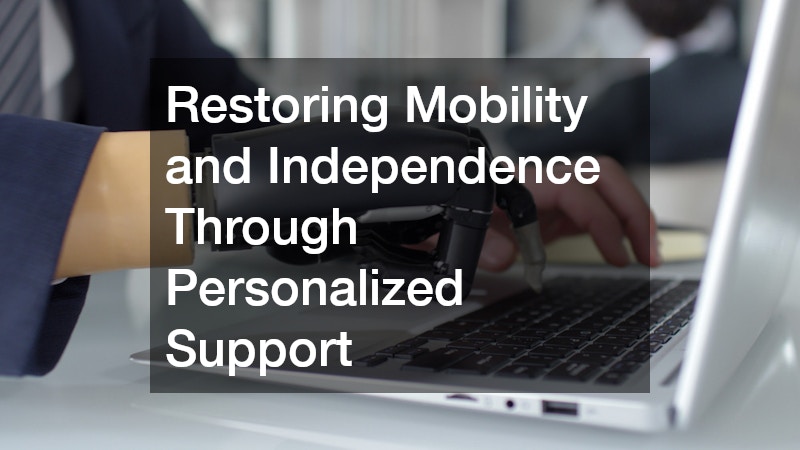
Professionally fitted prosthetics offer customized solutions that restore function while prioritizing comfort. A well-designed device supports natural movement patterns and reduces pressure on surrounding joints. Follow-up appointments allow specialists to address fit concerns as activity levels change. Rehabilitation support improves coordination and balance. Emotional adaptation is also supported through education and encouragement. Together, these elements help individuals regain independence with confidence.
Long-term success with mobility support depends on realistic expectations and consistent practice. Progress often occurs in small increments, especially during early stages of adaptation. Establishing daily routines that incorporate safe movement helps rebuild trust in the body. Support from clinicians, family members, and rehabilitation specialists reinforces motivation. Tracking improvements—even subtle ones—helps maintain momentum. With time, personalized mobility solutions become integrated into daily life rather than feeling like external assistance.
Strengthening Emotional Well-Being as Part of Physical Healing
Emotional health significantly affects how the body responds to recovery. Stress and unresolved emotions can increase fatigue, disrupt sleep, and heighten pain perception. Addressing emotional well-being helps individuals stay engaged in their healing process. Supportive care reduces feelings of isolation during challenging periods. Emotional clarity improves decision-making and coping skills. Mental strength reinforces physical recovery.
Building emotional resilience requires consistency and support. Structured conversations help individuals process fear, frustration, or uncertainty. Learning stress-management techniques can reduce physical tension. Emotional support also improves communication with caregivers and healthcare providers. Over time, individuals develop healthier responses to setbacks. This stability supports long-term healing.
Working with a mental health therapist provides a safe, structured environment for emotional growth. Therapy offers tools for managing anxiety, grief, or chronic pain. Sessions can help individuals set realistic expectations for recovery. Improved emotional awareness enhances self-compassion and patience. Therapy also supports caregivers as they navigate emotional strain. This partnership strengthens both emotional and physical well-being.
Emotional care becomes especially valuable during prolonged or complex health journeys. Setbacks can feel discouraging without proper emotional support. Regular check-ins allow individuals to reassess goals and adjust coping strategies. Therapy encourages accountability while offering flexibility during difficult phases. Emotional healing often occurs alongside physical improvement, reinforcing progress in both areas. When emotional health is prioritized, recovery becomes more sustainable and less overwhelming.
Managing Everyday Health Needs With Convenient Local Resources
Daily health routines form the backbone of long-term care. Reliable access to medications and supplies reduces stress and prevents disruptions. Convenience plays a major role in maintaining consistency. Familiar local services provide reassurance and continuity. Small efficiencies can significantly improve adherence. Stability in routine supports healing.
Clear communication is essential when managing multiple medications or treatments. Understanding dosage, timing, and interactions reduces risks. Personalized guidance helps individuals feel confident in their care plans. Local support resources often provide faster assistance. Trust grows through repeated, positive interactions. This reliability supports peace of mind.
A dependable local pharmacy offers more than basic prescription services. Pharmacists provide valuable insight into medication management. Refill coordination and reminders simplify daily routines. Personalized consultations address side effects and concerns promptly. These services support safer, more effective care. A strong pharmacy relationship enhances overall health management.
Over time, consistent access to reliable pharmacy services can prevent avoidable complications. Missed doses or incorrect usage often stem from confusion or inconvenience. Pharmacists act as an accessible layer of healthcare support between medical visits. Their familiarity with patient histories allows for proactive problem-solving. This continuity is especially important for individuals managing chronic conditions. Convenient access ultimately supports confidence, safety, and long-term wellness.
Building Strength Gently Through Low-Impact Movement Practices
Movement supports circulation, flexibility, and muscular stability during recovery. Gentle activity prevents stiffness and promotes joint health. Low-impact exercises reduce the risk of reinjury. Structured movement builds confidence gradually. Consistency matters more than intensity. Safe movement supports long-term strength.
Guided movement provides accountability and structure. Proper instruction ensures correct form and pacing. Individualized modifications accommodate limitations. Over time, movement becomes more fluid and controlled. Strength improves without excessive strain. This balance supports sustainable progress.
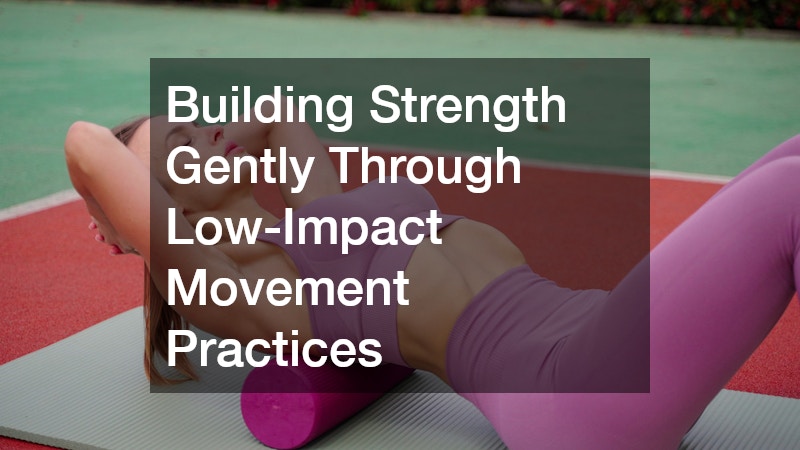
Training at a pilates studio emphasizes controlled movement and core stability. Exercises improve posture and balance. Sessions can be adapted for injuries or chronic conditions. Regular practice enhances breathing efficiency. Improved core strength supports daily tasks. Gentle conditioning fosters confidence and comfort.
Low-impact movement also supports mental clarity and stress reduction. Intentional breathing and mindful motion promote relaxation. Participants often feel more connected to their bodies through controlled exercises. Over time, improved awareness reduces fear around movement. Strength gains translate into better functional ability outside of sessions. This gentle approach encourages long-term participation and physical confidence.
Protecting Oral Health to Support Whole-Body Wellness
Oral health affects nutrition, comfort, and overall wellness. Inflammation in the mouth can influence systemic health. Pain or discomfort may limit eating and hydration. Preventive care reduces the risk of infection. Oral comfort supports daily quality of life. Dental health should not be overlooked.
Routine care helps identify issues early. Professional cleanings reduce harmful bacteria. Early intervention prevents complications. Oral health maintenance supports digestion and immune function. Comfort in eating improves energy levels. Preventive habits support healing.
Regular visits to a dentist ensure consistent monitoring and care. Dentists address issues before they escalate. Personalized treatment plans support individual needs. Oral care contributes to confidence and comfort. Preventive attention reduces long-term complications. Dental health reinforces total wellness.
Neglecting oral health can create avoidable setbacks during recovery. Pain or infection often diverts energy away from healing elsewhere in the body. Maintaining regular dental care reduces systemic inflammation. Proper oral hygiene supports nutritional intake by making eating more comfortable. Long-term consistency protects both physical health and self-confidence. Oral care remains a vital component of holistic wellness.
Supporting Recovery and Energy Levels With Targeted Nutrient Care
Energy levels play a key role in healing. Fatigue can slow recovery and reduce motivation. Nutrient balance supports tissue repair and immune function. Proper hydration enhances circulation. Addressing deficiencies improves resilience. Recovery requires consistent nourishment.
Supplemental care should complement daily nutrition. Medical guidance ensures appropriate use. Individual needs vary based on health status. Balanced support prevents overreliance on single solutions. Monitoring progress ensures safety. Thoughtful integration supports healing.
Under supervision, iv vitamin therapy may assist nutrient delivery during recovery. This method bypasses digestive absorption challenges. Treatments are tailored to individual needs. Hydration support can improve energy levels. Medical oversight ensures safe administration. Nutrient support enhances comprehensive care.
Nutrient therapies are most effective when paired with lifestyle adjustments. Balanced meals, adequate hydration, and rest remain foundational. Supplemental support may offer short-term benefits during periods of depletion. Regular evaluation ensures continued appropriateness. Energy improvements often contribute to better participation in physical and emotional recovery efforts. Integrated care supports sustainable progress.

Improving Sleep Quality Through Thoughtful Environmental Choices
Sleep allows the body to repair and restore. Disrupted sleep increases stress and pain sensitivity. Environmental factors often affect sleep quality. Small changes can yield meaningful improvements. Comfort supports deeper rest. Quality sleep enhances recovery.
Consistency in sleep routines improves outcomes. Reduced allergens support easier breathing. Clean bedding enhances comfort. Temperature and lighting also matter. Thoughtful adjustments create a calming environment. Sleep hygiene supports healing.
Using a hypoallergenic pillow case minimizes exposure to irritants. Reduced allergens promote uninterrupted rest. Cleaner sleep surfaces benefit sensitive individuals. Improved sleep boosts mood and energy. Rest supports immune function. Comfort contributes to recovery.
Sleep environments should evolve as health needs change. Pain, sensitivity, or mobility limitations may require adjustments. Supportive bedding reduces pressure and discomfort. Clean, allergen-conscious materials improve respiratory comfort. Over time, better sleep reinforces emotional stability and physical resilience. Consistent rest remains one of the most powerful healing tools.
Providing Comfort and Dignity During Advanced Care Needs
Advanced care focuses on comfort and quality of life. Familiar environments reduce stress and anxiety. Compassionate support addresses emotional needs. Family involvement enhances reassurance. Comfort-centered care prioritizes dignity. Emotional peace becomes central.
Clear communication guides decision-making. Support teams coordinate care efficiently. Symptom management improves comfort. Emotional support extends to families. Guidance reduces uncertainty. Care becomes more personal.
Professional in home hospice care delivers compassionate support at home. Teams manage pain and symptoms effectively. Emotional and spiritual care are integrated. Families receive education and reassurance. Comfort remains the primary focus. Dignity is preserved.
This approach allows individuals to remain connected to familiar routines and surroundings. Personalized care plans reflect individual values and preferences. Families benefit from professional guidance during difficult decisions. Ongoing support reduces emotional strain and burnout. Comfort-focused care honors both physical and emotional needs. Compassion remains the foundation.
Addressing Foot Health to Maintain Balance and Mobility
Foot health affects posture and mobility. Discomfort can limit daily activity. Proper support reduces joint strain. Balance depends on a stable footing. Early care prevents complications. Comfort starts with foot health.
Routine evaluations identify underlying issues. Supportive footwear improves alignment. Custom solutions address pressure points. Preventive care maintains mobility. Healthy feet support confidence. Stability enhances independence.
A qualified podiatrist provides expert foot care. Evaluations detect alignment and circulation issues. Treatment plans address individual needs. Early intervention prevents chronic problems. Ongoing care supports movement. Foot health supports overall mobility.
Foot pain is often gradual and easy to ignore. Over time, untreated issues can affect knees, hips, and posture. Regular evaluations prevent small problems from becoming limiting. Supportive care encourages continued movement. Comfortable feet reduce fall risk and fatigue. Long-term mobility depends on proactive foot care.

Rebuilding Confidence Through Appearance-Focused Support
Changes in appearance can affect emotional well-being. Confidence influences social engagement. Feeling comfortable supports identity. Appearance-focused care complements healing. Emotional resilience grows through self-expression. Confidence supports recovery.
Supportive options help individuals feel like themselves. Comfort and fit matter. Professional guidance ensures appropriate selection. Appearance support reduces emotional distress. Self-image influences mental health. Small changes matter.
Selecting a well-fitted wig restores confidence during hair loss. Comfort and breathability improve wearability. Natural styles support daily activities. Proper fit prevents irritation. Professional assistance ensures satisfaction. Confidence enhances emotional healing.
Appearance-related support often has a deeper emotional impact than expected. Feeling presentable can restore routine and normalcy. Confidence encourages social interaction and self-expression. Emotional comfort supports overall resilience. Appearance care reinforces identity during challenging times. Small choices can have powerful emotional benefits.
Healing, strength, and comfort are achieved through coordinated care that recognizes the complexity of each individual’s experience. Supportive solutions address physical needs while also considering emotional resilience and the environments in which people live and recover. When care is intentional, individuals feel empowered, informed, and more in control of their health decisions. This sense of partnership encourages active participation in recovery rather than passive reliance on treatment alone.
A holistic approach honors dignity and quality of life by focusing on comfort, independence, and personal values. With the right resources in place, healing becomes more manageable and less overwhelming. Support systems evolve alongside changing needs, offering stability during uncertainty. By combining professional guidance with compassionate care, individuals and families can navigate health challenges with greater confidence. At every stage, thoughtful support helps create a path forward that prioritizes well-being, respect, and long-term comfort.