
Maintaining good health involves more than treating illnesses or injuries when they occur. Physical and mental wellness are closely connected, and both require ongoing attention, preventive care, and appropriate professional support. Understanding the different healthcare services available can help individuals make informed decisions about their health and recognize when additional assistance may be beneficial.
Healthcare needs vary depending on age, medical history, lifestyle, and personal circumstances. Some individuals need routine medical examinations, while others benefit from specialized treatment, rehabilitation, or emotional support. Access to appropriate healthcare professionals can make managing these needs easier and help prevent minor concerns from becoming more serious.
Recognize When Professional Support Is Needed for Substance Use Concerns

Substance use can gradually affect physical health, emotional well-being, relationships, and everyday responsibilities. Recognizing when occasional use has developed into a serious concern is an important step toward getting appropriate help.
Warning signs may include increased substance use, unsuccessful attempts to stop, withdrawal symptoms, or neglecting work and family responsibilities. Professional treatment provides structured support tailored to individual circumstances.
Substance abuse treatment centers may offer several levels of care, including outpatient counseling, intensive outpatient programs, residential treatment, and medically supervised withdrawal management.
When exploring treatment options, consider these steps:
- Request an assessment: A qualified professional can evaluate substance use patterns and recommend appropriate care.
- Review treatment methods: Ask whether programs use evidence-based counseling and individualized recovery plans.
- Verify qualifications: Confirm staff credentials, licensing, and available medical supervision.
- Understand costs: Review insurance acceptance, payment options, and treatment expenses.
- Plan continued support: Ask about follow-up services after initial treatment.
Stopping alcohol or certain medications abruptly can cause dangerous withdrawal symptoms, making medical guidance especially important.
Professional treatment can provide the structure and resources needed to begin recovery while addressing individual health and safety concerns.
Address Mental Health and Substance Use Conditions Together for Better Recovery
Mental health conditions and substance use disorders sometimes occur together, creating challenges that require coordinated treatment. Anxiety, depression, trauma-related symptoms, and other emotional difficulties may influence substance use, while substance use can worsen existing mental health concerns.
Addressing only one condition may leave important symptoms untreated. An integrated approach considers how both conditions interact and affect daily functioning.
Dual diagnosis treatment focuses on evaluating and addressing co-occurring mental health and substance use disorders through coordinated professional care.
Important elements of effective treatment planning include:
- Comprehensive assessments: Evaluate mental health symptoms, substance use history, and medical needs.
- Coordinated providers: Encourage communication between medical professionals, counselors, and other treatment specialists.
- Individualized counseling: Use appropriate therapies to address emotional challenges and substance use patterns.
- Medication management: Review whether medications may help treat specific diagnosed conditions.
- Continued monitoring: Track symptoms, treatment progress, and changing support needs.
Patients should communicate openly about symptoms, medications, and substance use so professionals can make informed recommendations.
Coordinated treatment can help individuals develop healthier coping strategies, manage symptoms more effectively, and build a stronger foundation for ongoing recovery.
Build a Long-Term Recovery Plan With Continued Support and Healthy Routines
Completing an initial treatment program is an important accomplishment, but maintaining recovery often requires continued attention and support. Returning to work, family responsibilities, and everyday routines can introduce stress and situations that challenge progress.
Long-term recovery planning helps individuals prepare for these difficulties while strengthening healthy habits and supportive relationships.
Addiction aftercare programs provide continued assistance through counseling, peer support, recovery planning, and connections to community resources.
Helpful strategies for maintaining progress include:
- Attend follow-up appointments: Continue recommended counseling and healthcare visits.
- Build consistent routines: Prioritize regular sleep, nutritious meals, and appropriate physical activity.
- Identify triggers: Recognize situations, emotions, or environments associated with substance use.
- Strengthen relationships: Maintain contact with supportive family members, friends, or recovery peers.
- Develop a response plan: Identify practical steps to take when cravings or setbacks occur.
Recovery experiences differ, and setbacks do not erase previous progress. They may indicate that additional support or adjustments to the treatment plan are needed.
Continued care helps individuals navigate challenges, reinforce coping skills, and maintain healthier routines while working toward long-term stability.
Identify Emotional and Behavioral Changes That May Require Medical Evaluation

Emotional health affects concentration, relationships, sleep, motivation, and the ability to manage everyday responsibilities. While occasional stress or sadness is common, persistent symptoms may indicate a condition requiring professional evaluation.
Changes in mood, anxiety levels, behavior, or sleeping patterns deserve attention when they interfere with normal activities.
Psychiatry services provide medical assessments, diagnostic evaluations, medication management, and treatment planning for various mental health conditions.
Before scheduling an appointment, consider these recommendations:
- Track symptoms: Record emotional changes, their duration, and their impact on daily functioning.
- Review medications: Prepare a list of prescriptions, supplements, and relevant medical conditions.
- Discuss treatment options: Ask about medication, psychotherapy, and other appropriate approaches.
- Understand side effects: Review potential medication risks and expected benefits.
- Schedule follow-ups: Attend recommended appointments to evaluate treatment effectiveness.
Psychiatrists are medical professionals who can prescribe medications, while therapists and counselors commonly provide psychotherapy and behavioral support.
Not everyone experiencing emotional difficulties requires medication. Treatment depends on symptoms, diagnosis, personal preferences, and clinical recommendations.
Early evaluation and consistent follow-up can help individuals better manage mental health concerns and improve everyday functioning.
Stay Ahead of Health Concerns With Routine Checkups and Preventive Screenings
Preventive healthcare helps identify potential medical concerns before they become more serious. Regular examinations also provide opportunities to discuss symptoms, review medications, and evaluate lifestyle habits that influence long-term wellness.
Primary care providers play an important role in coordinating treatment and helping patients understand recommended screenings.
Family medical clinics commonly provide routine examinations, preventive services, chronic condition management, and treatment for everyday illnesses.
Important preventive healthcare practices include:
- Schedule checkups: Follow recommendations based on age, medical history, and individual risk factors.
- Monitor health indicators: Check blood pressure, cholesterol, and blood sugar when appropriate.
- Stay current on vaccinations: Review recommended immunizations with a healthcare professional.
- Discuss family history: Share information about hereditary conditions and significant health concerns.
- Review medications: Confirm that prescriptions and supplements remain appropriate.
Building a relationship with a primary care provider creates continuity and makes tracking changes in health easier.
Patients should prepare questions before appointments and communicate openly about symptoms or concerns.
Consistent preventive care supports early detection, appropriate treatment, and better management of existing medical conditions while encouraging healthier daily habits.
Restore Strength and Mobility Through Targeted Rehabilitation Exercises
Injuries, surgery, chronic pain, and certain medical conditions can make everyday movement difficult. Activities such as walking, climbing stairs, lifting objects, or maintaining balance may become uncomfortable or challenging.
Rehabilitation helps individuals improve movement and rebuild functional abilities through personalized treatment plans.
Physical therapy uses targeted exercises, movement training, and education to address mobility limitations and support recovery.
Common rehabilitation strategies include:
- Strengthening exercises: Improve muscle strength needed for movement and joint stability.
- Flexibility training: Increase range of motion and reduce movement restrictions.
- Balance activities: Improve stability and help reduce fall risks.
- Movement education: Teach safer techniques for lifting, walking, and completing daily tasks.
- Home exercises: Reinforce progress between supervised treatment sessions.
During an initial evaluation, patients should discuss symptoms, medical history, and activities they want to improve.
Treatment plans may change as strength, mobility, and tolerance improve. Patients should communicate new symptoms or increased discomfort rather than pushing through significant pain.
Following professional recommendations consistently can help individuals regain confidence, improve independence, and return to meaningful activities at an appropriate pace.
Support Brain and Nervous System Recovery With Specialized Rehabilitation
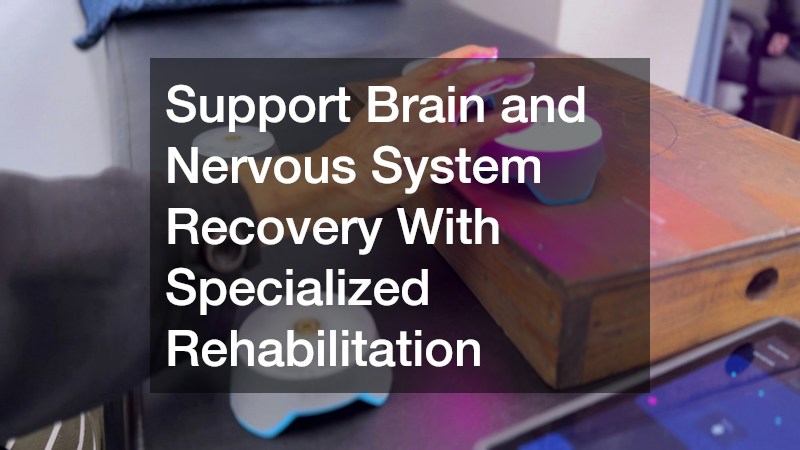
Neurological conditions can affect movement, communication, memory, coordination, and everyday functioning. Strokes, traumatic brain injuries, spinal cord injuries, and certain neurological disorders may create challenges requiring specialized rehabilitation.
Recovery often involves multiple healthcare professionals working together to address different physical and cognitive needs.
Neuro rehabs may provide coordinated rehabilitation services designed to help patients improve function and adapt to lasting changes.
Important areas of neurological rehabilitation include:
- Mobility training: Improve walking, balance, coordination, and physical stability.
- Cognitive rehabilitation: Address difficulties involving memory, attention, and problem-solving.
- Communication support: Work on speech and language challenges with qualified specialists.
- Daily living skills: Practice activities needed for greater independence.
- Caregiver education: Help family members understand safe assistance techniques and ongoing care needs.
Patients and families should ask about available therapies, treatment intensity, measurable goals, and discharge planning.
Recovery timelines vary significantly depending on the condition, severity, and individual circumstances.
A coordinated rehabilitation approach can help patients maximize their abilities, develop adaptive strategies, and improve their quality of life.
Make Everyday Activities Easier With Adaptive Skills and Practical Support
Everyday tasks such as dressing, cooking, bathing, and completing household responsibilities require physical, cognitive, and sensory abilities. Injuries, disabilities, developmental conditions, and age-related changes can make these activities more difficult.
Specialized rehabilitation can help individuals develop practical skills and adapt their environments to support greater independence.
An occupational therapist evaluates how health conditions affect daily activities and recommends strategies that make meaningful tasks safer and more manageable.
Helpful approaches may include:
- Adaptive equipment: Use specialized utensils, dressing aids, or bathroom safety devices.
- Environmental changes: Adjust furniture arrangements, storage locations, and workspaces.
- Fine motor exercises: Improve hand coordination and precision for everyday tasks.
- Energy conservation: Learn techniques that reduce fatigue during daily activities.
- Task-specific practice: Develop skills needed for work, school, hobbies, or independent living.
Patients should identify the activities they find most challenging and discuss their personal goals during evaluations.
Treatment focuses on practical improvements that fit individual abilities and environments.
By addressing everyday challenges, rehabilitation can help individuals maintain independence, participate in meaningful activities, and feel more confident managing daily responsibilities.
Protect Your Teeth and Gums With Consistent Preventive Dental Care
Oral health contributes to comfortable eating, clear speech, and overall well-being. Tooth decay, gum inflammation, and other dental concerns can develop gradually, sometimes without noticeable symptoms until treatment becomes necessary.
Regular dental examinations help identify potential problems while professional cleanings remove hardened plaque that brushing alone cannot eliminate.
A local dental clinic can provide preventive examinations, cleanings, diagnostic services, and treatment recommendations based on individual needs.
Maintaining healthy teeth and gums involves several important habits:
- Brush regularly: Clean teeth twice daily using fluoride toothpaste.
- Clean between teeth: Use floss or recommended interdental cleaning tools every day.
- Limit sugar: Reduce frequent sugary snacks and beverages that contribute to tooth decay.
- Monitor symptoms: Report persistent sensitivity, bleeding gums, or unusual mouth changes.
- Schedule examinations: Follow professional recommendations for preventive appointments.
Patients should also ask about insurance coverage, treatment costs, and available preventive services when choosing a provider.
Consistent oral hygiene and regular professional care can reduce dental complications, preserve natural teeth, and support long-term oral health.
Evaluate Persistent Back and Neck Discomfort Before Choosing Treatment

Back pain, neck stiffness, and other musculoskeletal concerns can interfere with sleep, work, exercise, and everyday activities. These symptoms may develop from injuries, repetitive movements, prolonged sitting, or underlying medical conditions.
Understanding the cause of discomfort is important before beginning treatment, especially when symptoms persist or worsen.
A chiropractic clinic may evaluate certain musculoskeletal complaints and offer conservative treatment approaches, including spinal manipulation when appropriate.
Before choosing treatment, consider these recommendations:
- Review symptoms: Explain when discomfort began and which activities make it better or worse.
- Discuss medical history: Share previous injuries, diagnosed conditions, and current medications.
- Understand treatment options: Ask about expected benefits, limitations, and potential risks.
- Consider additional approaches: Discuss appropriate exercise, posture adjustments, and rehabilitation.
- Monitor progress: Report worsening symptoms or unusual reactions promptly.
Spinal manipulation is not suitable for every condition, and some patients may benefit more from other treatments.
New weakness, loss of bladder or bowel control, or severe neurological symptoms require urgent medical evaluation.
Take a Proactive Approach to Your Physical and Mental Health
Maintaining physical and mental wellness requires ongoing attention, informed decisions, and access to appropriate healthcare professionals. Preventive examinations, emotional support, rehabilitation, and continued recovery services each contribute to different aspects of long-term health.
Recognizing changes in your physical abilities, emotional well-being, or everyday functioning can help you determine when additional support may be necessary. Seeking professional guidance early may prevent certain concerns from becoming more difficult to manage.
Developing healthy routines also plays an important role in maintaining wellness. Balanced nutrition, regular physical activity, sufficient sleep, and effective stress management can complement professional healthcare services.
Communication between patients and healthcare providers helps ensure treatment plans reflect individual needs and goals. Asking questions, attending follow-up appointments, and following appropriate recommendations can improve continuity of care.