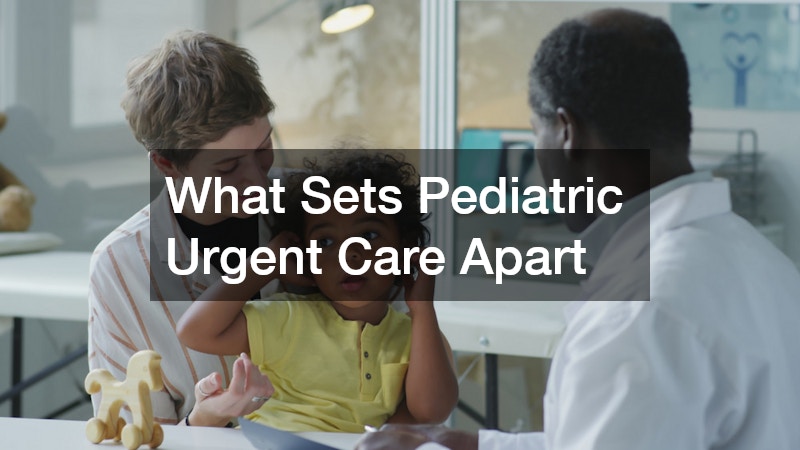
Pediatric urgent care serves a crucial role in the healthcare system by providing dedicated medical attention to children requiring immediate care for non-life-threatening conditions. These specialized facilities are designed to bridge the gap between a routine pediatric visit and the emergency room, offering families an accessible and less stressful option. Notably, pediatric urgent care centers are equipped with child-friendly environments, tailored specifically to meet the physical and emotional needs of young patients and their families.
The Distinctive Features of Pediatric Urgent Care
One of the defining features of pediatric urgent care is its focus on convenience and accessibility, with centers often offering extended hours during evenings and weekends. This is a significant advantage for working parents who need medical attention for their children outside typical office hours. The ability to walk into these centers without an appointment offers flexibility that traditional pediatric offices may not provide, ensuring prompt care when it is needed most.
Another key characteristic is the range of services available at pediatric urgent care centers. From treating minor burns and fractures to addressing infections and asthma attacks, these facilities are equipped to handle a wide variety of conditions. They often have diagnostic labs and imaging capabilities on-site, which means families can receive comprehensive care without needing to visit multiple locations.
Additionally, the pediatric urgent care environment is intentionally designed to be child-friendly. This includes waiting areas filled with toys, activities, and bright decor that can help ease the nervousness some children feel when seeking medical care. Such detailed attention to the child’s experience reflects an understanding of the importance of comfort in the healing process, setting these centers apart from standard urgent care facilities.
Specialized Care by Trained Professionals
The professional staff at pediatric urgent care centers are specialized in pediatric medicine, which sets them apart from general urgent care facilities. These healthcare providers undergo extensive training to understand the unique anatomy and physiology of children, which significantly enhances the quality of care delivered. With their expertise, they can accurately analyze symptoms and determine the most effective treatments tailored to a child’s specific developmental stage.
Pediatric urgent care professionals are also skilled in engaging with children in a way that puts them at ease during what can be a confusing and intimidating process. This ability to create a rapport not only helps in gaining the child’s cooperation during examinations but also ensures that parents feel confident in the care their child is receiving. The emphasis on communication and compassion is crucial in delivering effective healthcare to young patients.
Moreover, these professionals are knowledgeable about the latest pediatric advancements and treatments, allowing them to provide care that aligns with contemporary medical standards. By staying abreast of new developments in pediatric medicine, urgent care centers ensure that children receive cutting-edge care. This commitment to professional growth and excellence helps these centers maintain a high standard of medical care that supports the health and wellbeing of their young patients.
Supporting Parents and Family Dynamics
Pediatric urgent care centers recognize the essential role parents play in a child’s health journey, and they strive to support family dynamics. By offering care outside regular work hours and creating an accommodating environment, they reduce the stress and disruption that medical needs can cause in family life. This focus on family-centric care is particularly valuable for working parents juggling multiple responsibilities.
Another way these centers support families is by providing clear communication regarding diagnoses, treatments, and next steps. Understanding that medical situations can be overwhelming, the staff ensures that parents are well-informed and confident in managing their child’s health going forward. They also offer guidance on follow-up care and preventative measures, further empowering families to take charge of their health.
Additionally, pediatric urgent care facilities often collaborate with a child’s primary pediatrician to maintain continuity of care. This cooperation ensures that all healthcare providers involved in a child’s care are updated on their medical history and recent treatments. By supporting the family unit in this way, pediatric urgent care centers enhance the overall effectiveness and satisfaction with the healthcare process.
The Role of Pediatric Urgent Care in Public Health

Pediatric urgent care plays a significant role in the broader context of public health by providing timely and appropriate medical care to children who might otherwise face delays. These centers help to relieve the burden on emergency rooms, ensuring that those facilities can focus on more severe and life-threatening conditions. This distribution of care resources allows the healthcare system to function more efficiently, benefiting communities as a whole.
By acting quickly in treating minor illnesses and injuries, pediatric urgent care can prevent more severe health problems from developing, which contributes to better long-term health outcomes for children. Early intervention is especially crucial in pediatrics, where conditions can change rapidly and timely treatment can make a substantial difference. The accessibility of these centers thus has a preventive aspect, which is a cornerstone of effective public health strategy.
These centers often engage in community outreach and education, promoting healthy practices and preventative care. By fostering healthcare literacy and encouraging proactive health management, they empower families to make informed decisions that support their children’s health. This proactive approach not only enhances individual health outcomes but also strengthens community health resilience, reinforcing the role of pediatric urgent care in the public health ecosystem.